
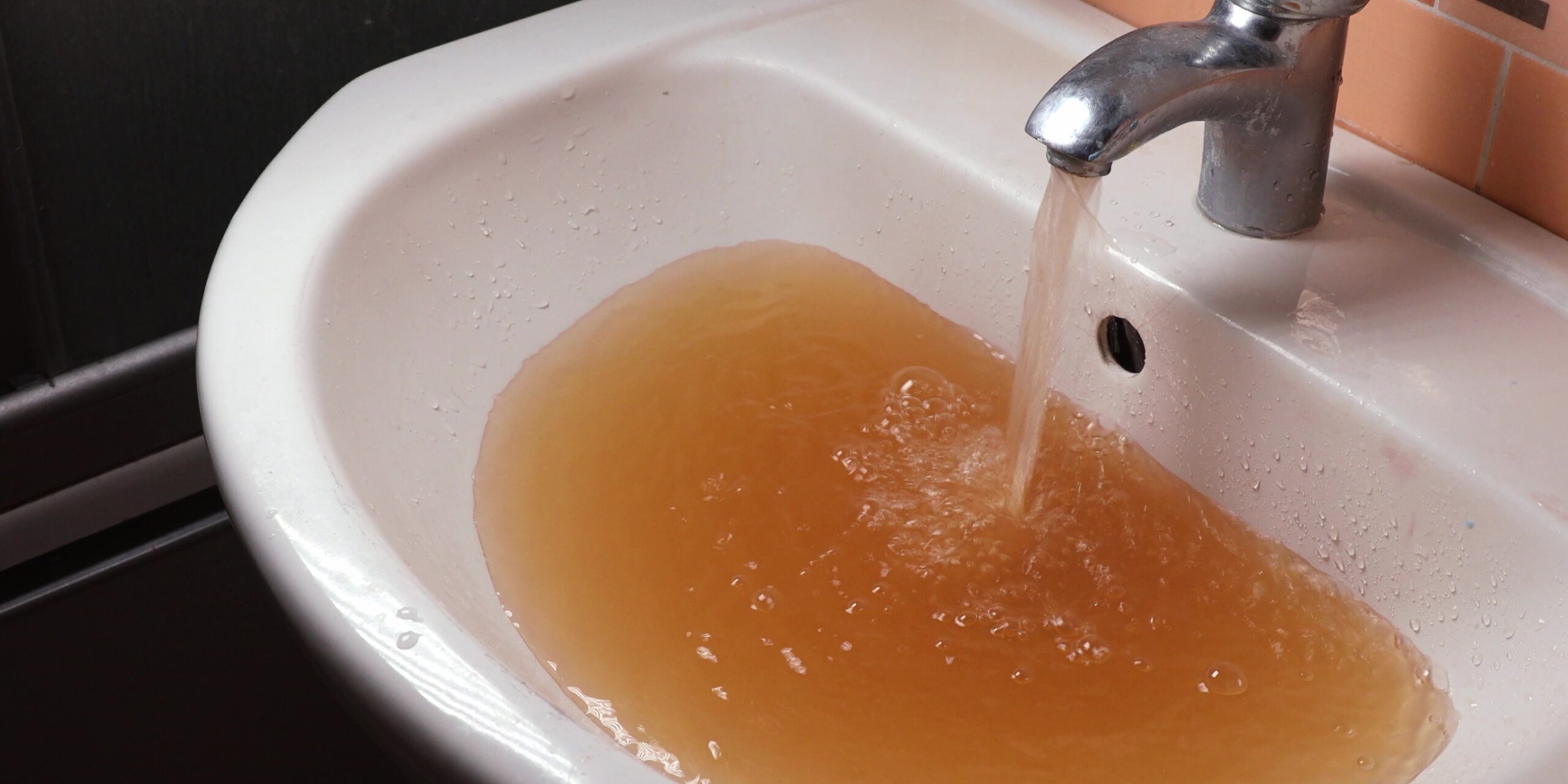
The Challenge: Persistent Dirty Water Complaints
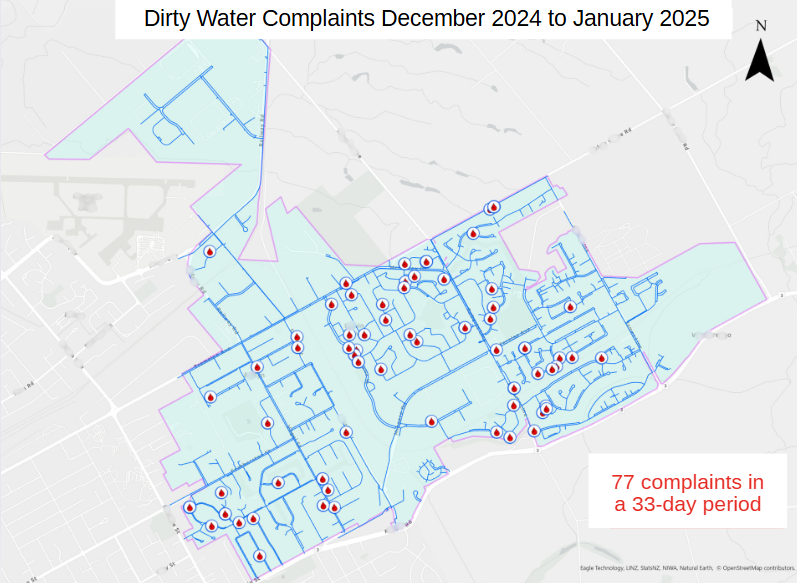
For one particular council, ensuring clean and clear drinking water was becoming an increasingly difficult task. A particular area of their water network was plagued by discolouration issues, leading to a surge in customer complaints. In 33 days between December 2024 and January 2024, the council logged 77 dirty water complaints from just one section of their network — a clear signal that traditional water quality maintenance methods were no longer effective.
The issue was multifaceted. Over time, sediment and biofilms naturally build up on the inner surfaces of water mains. Under normal conditions, this build-up remains undisturbed. However, sudden changes in water velocity or pressure—caused by events like pipe bursts, hydrant use, or routine maintenance—can dislodge this material, sending discoloured water to customers’ taps.
Residents were understandably frustrated. The council needed a fast, effective, and non-disruptive solution to restore public confidence and improve water quality—without cutting off supply or wasting thousands of litres of drinking water in the process.
The council turned to NO-DES, a cutting-edge water mains cleaning system that offered a radically different approach to network maintenance. NO-DES uses high-velocity water flows in the reverse direction of normal service and filters the water as it circulates through the closed-loop system. This process scours internal pipe surfaces of accumulated sediment and biofilm without discharging any water into the environment.
One of NO-DES’ most significant advantages over traditional flushing methods is its ability to clean without water loss or supply interruption. With conventional flushing, water is typically discharged from hydrants and lost—causing service disruptions, pressure drops and often requiring advance notification to residents. NO-DES eliminates these challenges by keeping all water contained within the system.
Execution: A Targeted, Data-Driven Approach
The council and the NO-DES team used complaint data to identify priority cleaning zones. With the area clearly defined, NO-DES equipment was deployed to circulate and clean the targeted section of the network.
The process was completed with no need to shut off water to residents, and there was no loss of treated water, making the method both efficient and environmentally responsible. As NO-DES cleaned, it removed the sediment and biofilms responsible for the discoloured water—restoring clarity to the water supply and trust to the community.
The Outcome
A 92% Reduction in Dirty Water Complaints
The results were nothing short of remarkable.
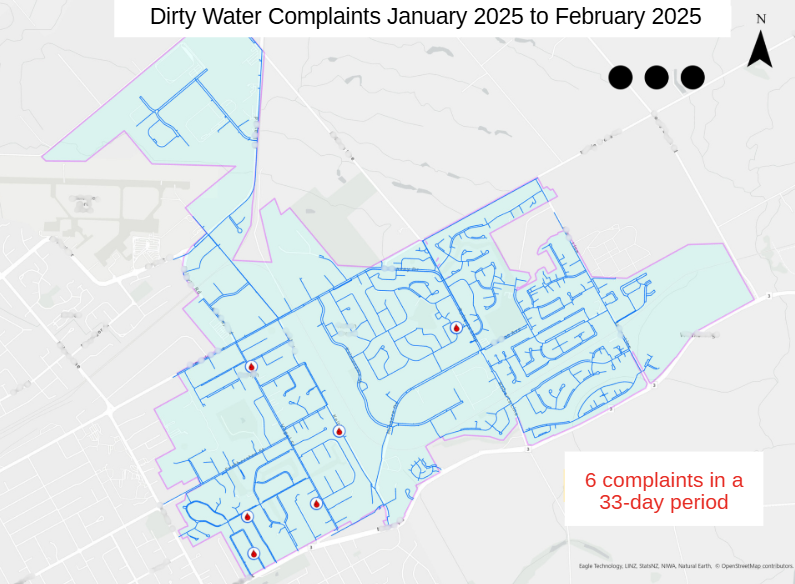
In the 33 day period following the NO-DES mains cleaning, the same area recorded just 6 dirty water complaints—a 92% reduction from the previous period. This significant improvement demonstrates not only the effectiveness of the NO-DES system but also its potential to deliver long-term benefits for councils and utilities struggling with similar issues.
Residents noticed the difference. Fewer calls were made to report discolouration, water quality testing showed improved clarity, and council staff reported increased operational efficiency thanks to the reduction in reactive maintenance tasks. And while 6 complaints are still 6 more complaints more than the council would prefer, this can occasionally occur in the days immediately after the mains cleaning as small amounts of remaining residual sediment can works its way out.
Key Benefits Realised:
- 92% drop in customer complaints in the affected area
- Zero water loss during the cleaning process
- No service interruptions for residents or businesses
- Improved community satisfaction and reduced operational strain
- Eco-friendly and sustainable alternative to traditional flushing
The success of this project highlights how adopting innovative technologies like NO-DES can help councils and water utilities address long-standing water quality issues without causing disruption or environmental waste. By reversing flow direction and filtering out internal pipe debris, NO-DES provides a cost-effective, non-invasive, and customer-friendly solution to maintaining water mains.
As pressure grows on utilities to improve service delivery, conserve water, and reduce customer complaints, this case proves that new approaches like NO-DES are not just an option—they’re an essential part of the future of water management.
Contact us today to discuss how we can reduce the risk of customer complaints and extend the life of your assets.