Whether its the Bourke St Mall or the back of Bourke pipe failure is rarely instantaneous. A crack initiates, propagates, and generates detectable acoustic energy long before the pipe gives way. That interval – the leak-before-break window – is where the real opportunity lies for water utilities and mining companies managing high-consequence infrastructure. Recent Australian…
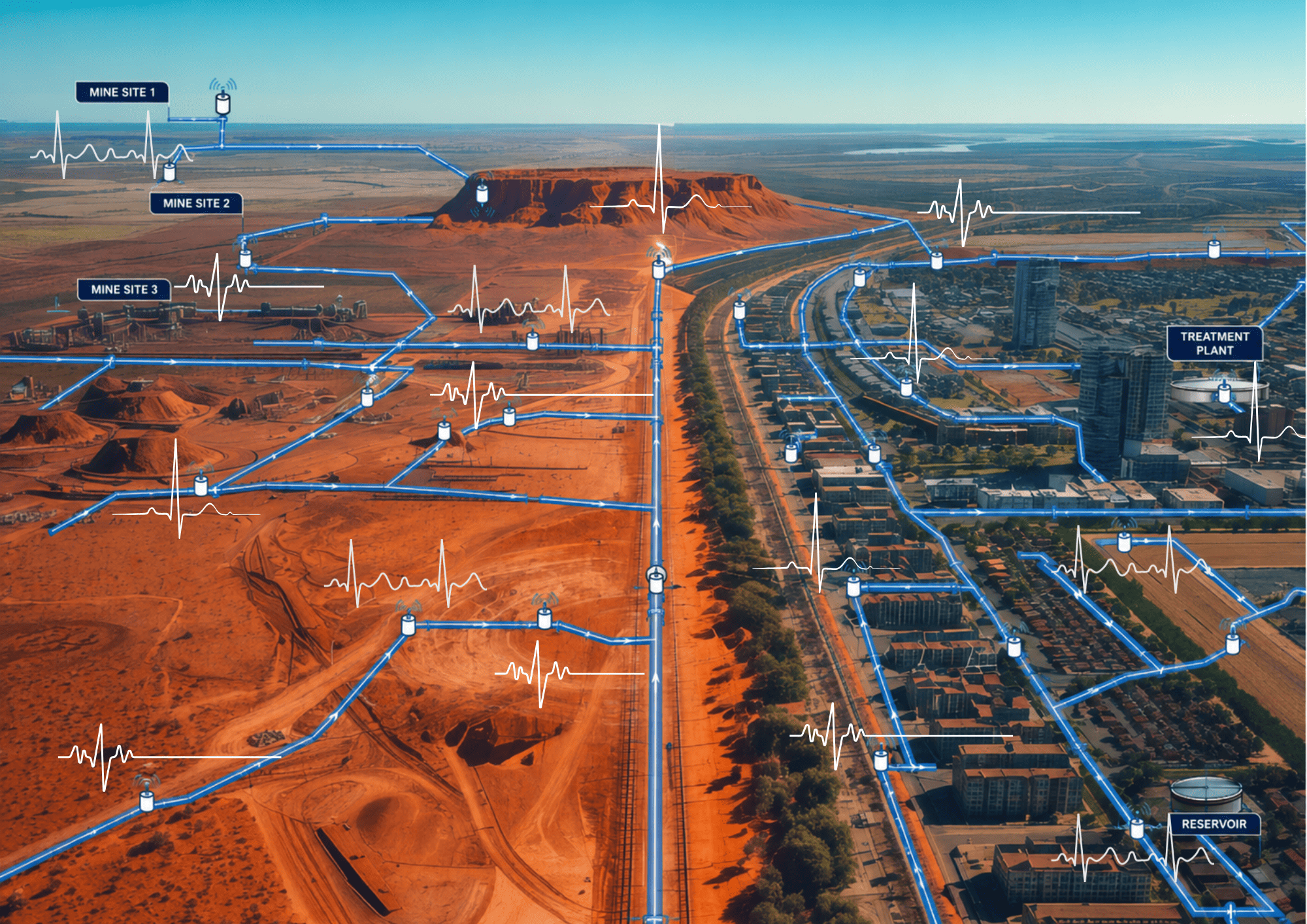
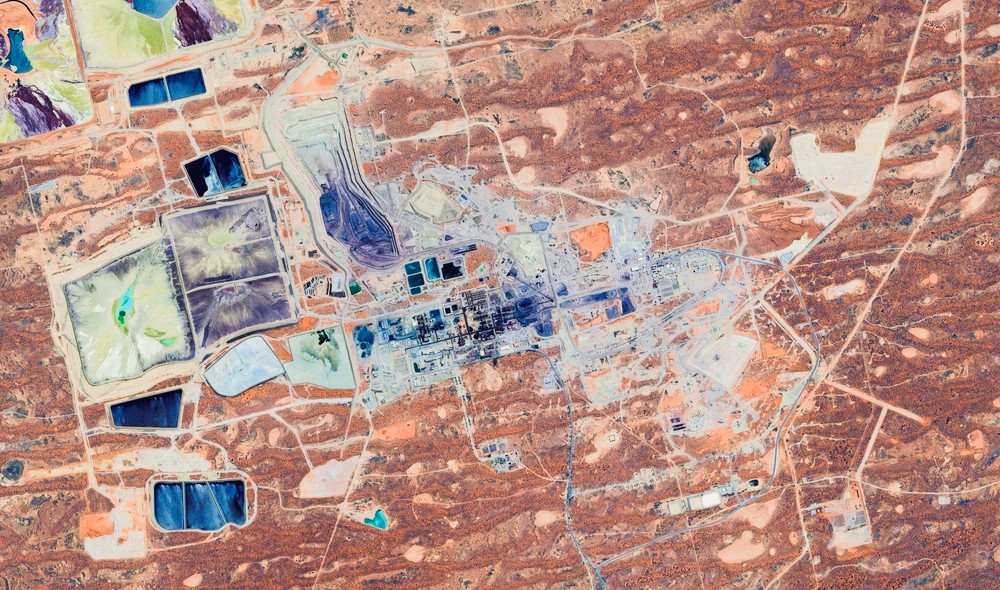
Every day, across mine sites throughout Australia and New Zealand, water is disappearing. Not through evaporation or process consumption – but through ageing pipelines, undetected joint failures, and unmetered losses that quietly accumulate into one of the industry’s most significant and least-acknowledged financial liabilities. Water-related disruptions cost the global mining industry an estimated USD $20…
Are Traditional Flowmeters Holding Water Networks Back? Picture a water network the way its engineers do – not as a map of pipes, but as a map of knowledge. Every monitoring point is a window into the network’s behaviour: pressure trends, flow anomalies, early signs of stress. The more windows you have, the clearer the…
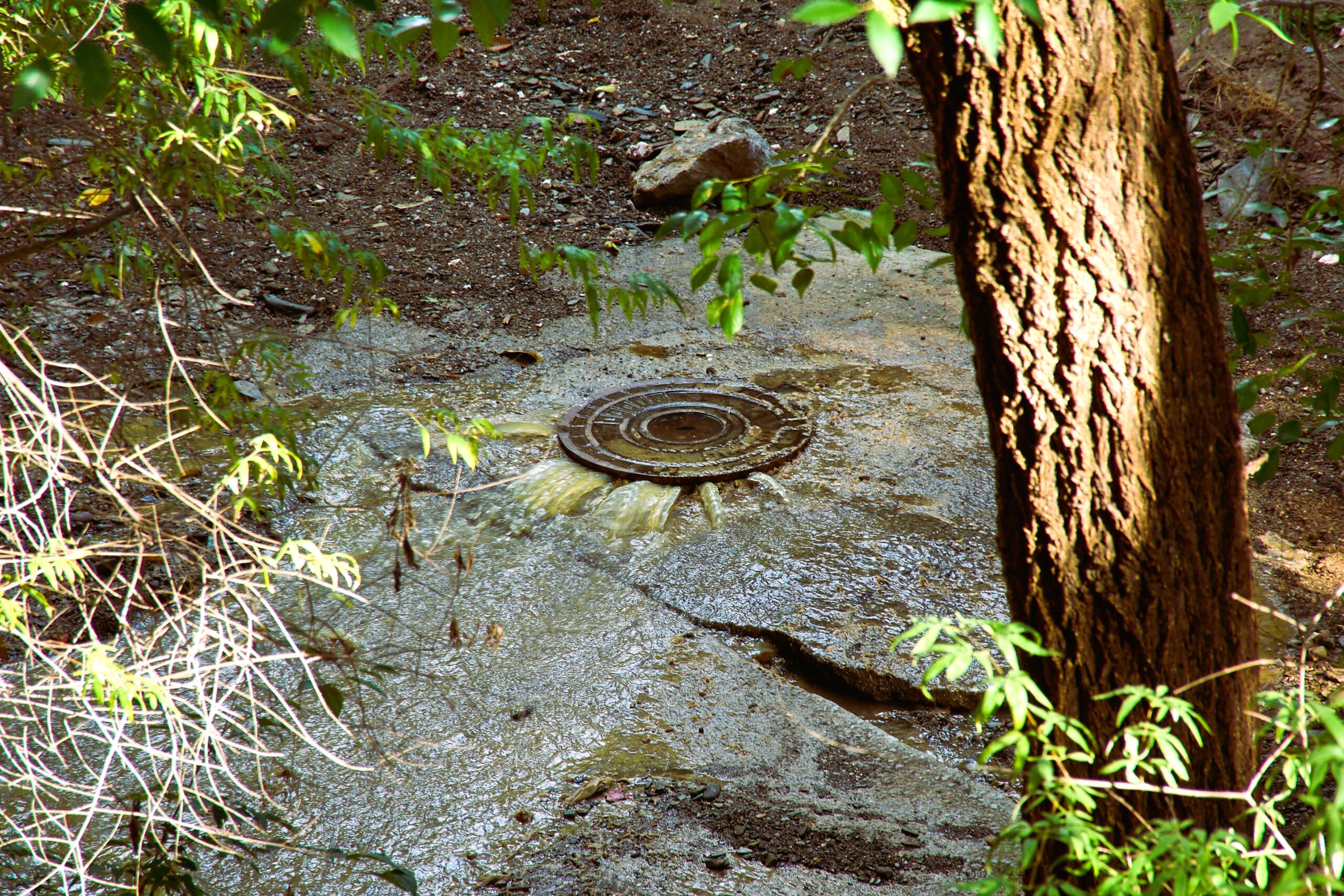
Infiltration and Inflow (I&I) – the unwanted entry of groundwater and stormwater into sewer networks – remains one of the most persistent and costly headaches for councils and utility providers. The symptoms are glaring: sanitary sewer overflows (SSOs), skyrocketing treatment and pumping costs, limited network capacity, and the risk of regulatory breaches. But the fundamental…
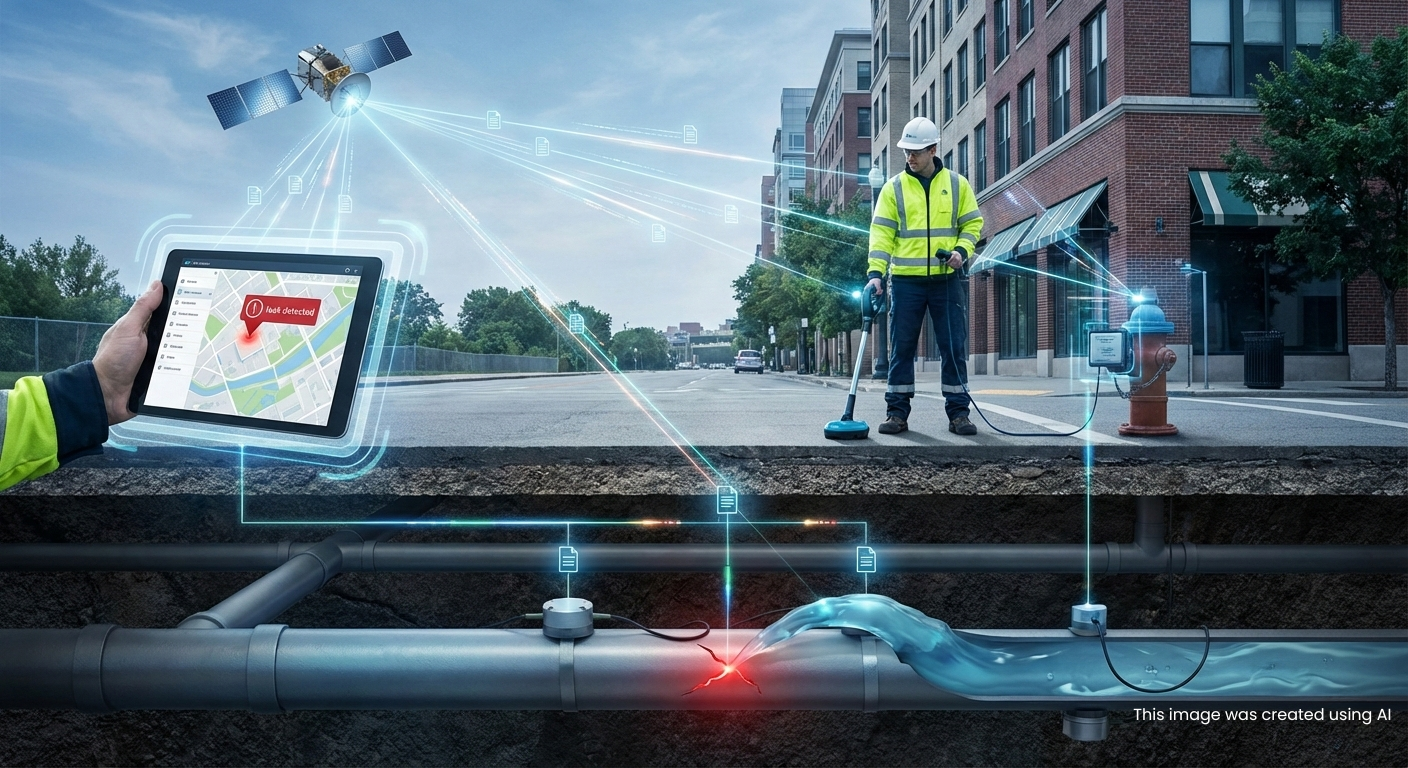
For decades, the skilled field technician – armed with experience and a sounding stick – has been the backbone of water network integrity. Ground surveys have long provided the essential “truth” on the street. However, as networks age and water scarcity becomes a global pressure point, the challenge has outgrown any single method. The future…
Precision Over Proximity For decades, the water industry has relied on a “best guess” approach to asset management. When a trunk main reaches a certain age or suffers a high-profile burst, the traditional response is often a blanket replacement. It’s an understandable instinct – protecting the community from service disruptions is paramount. However, this “rip…
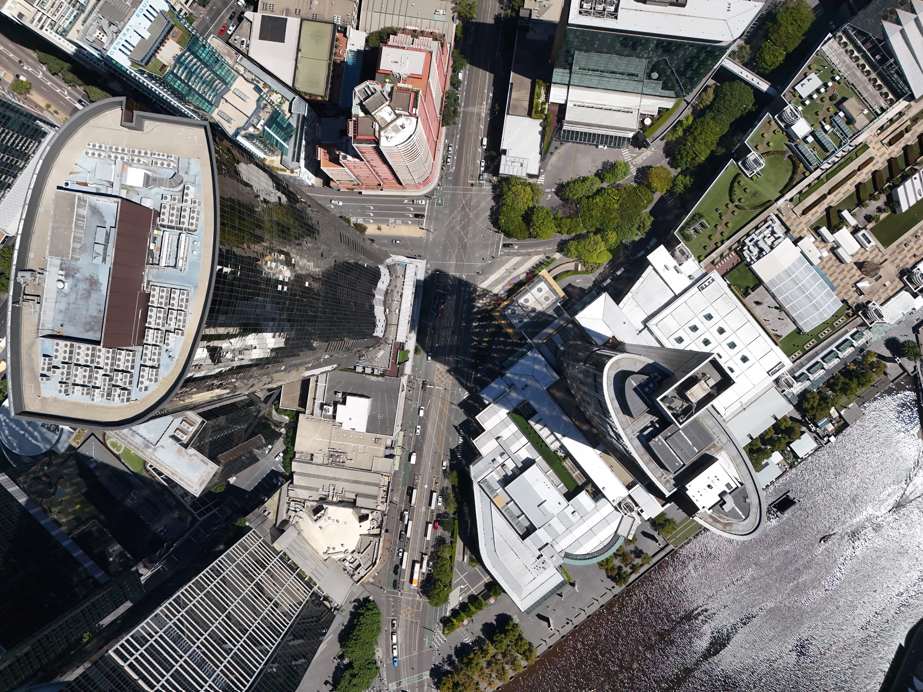
Detection Services Assists with Strategic Network Renewal The Challenge: A Century of Service at a Crossroads This Australian city is built upon a foundation of history, much of which is buried beneath its bustling streets. For a major utility, the state’s water utility, this history presented a significant modern-day challenge. Much of the city’s CBD…
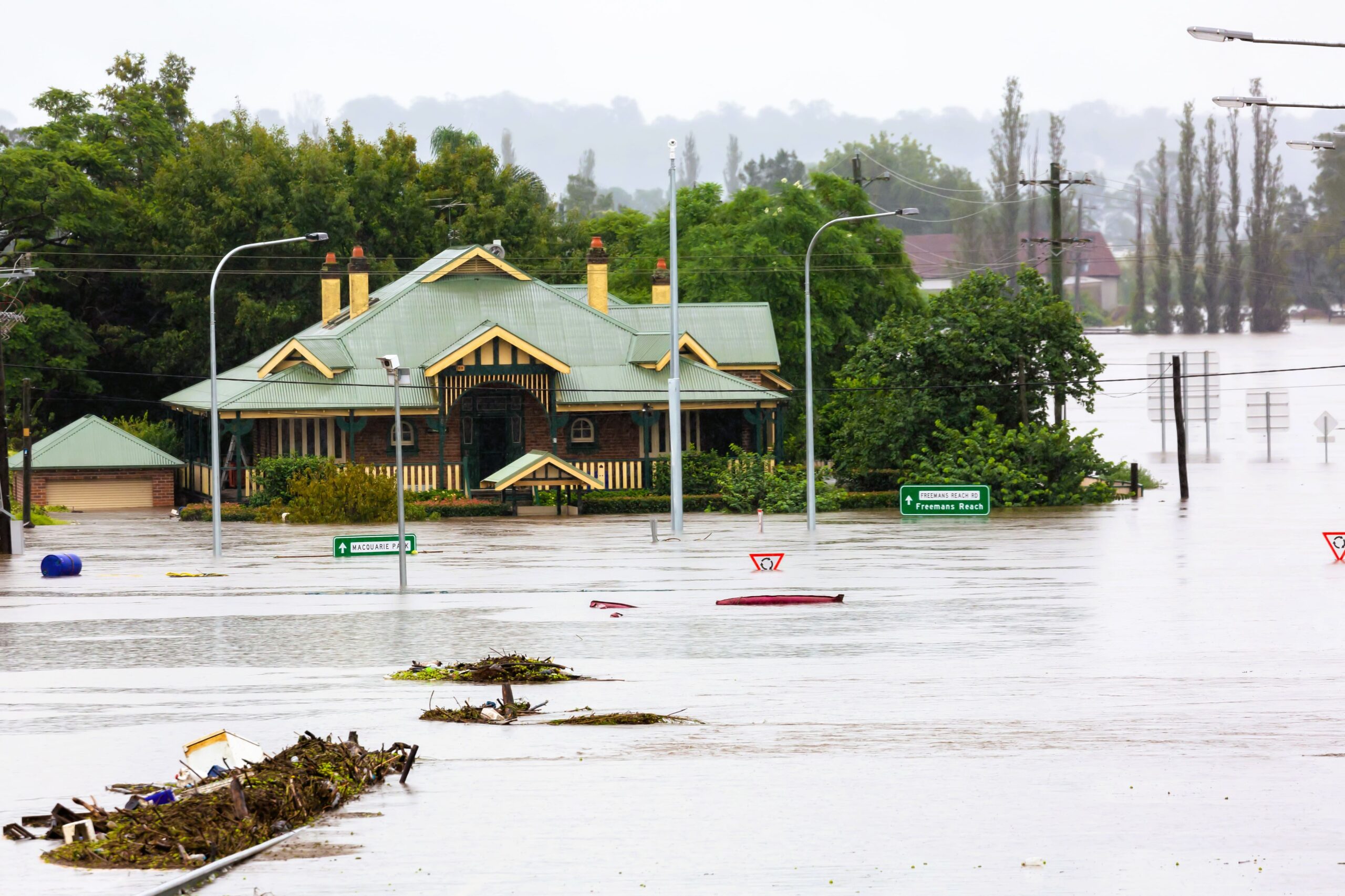
Australia is no stranger to the ferocity of flood events that ravage its regions cyclically. As stunning as its geography may be, the country grapples with the sobering reality of the impact of these floods on its intricate water networks, posing multifaceted challenges to water utilities and significantly affecting end consumers. This document aims to…
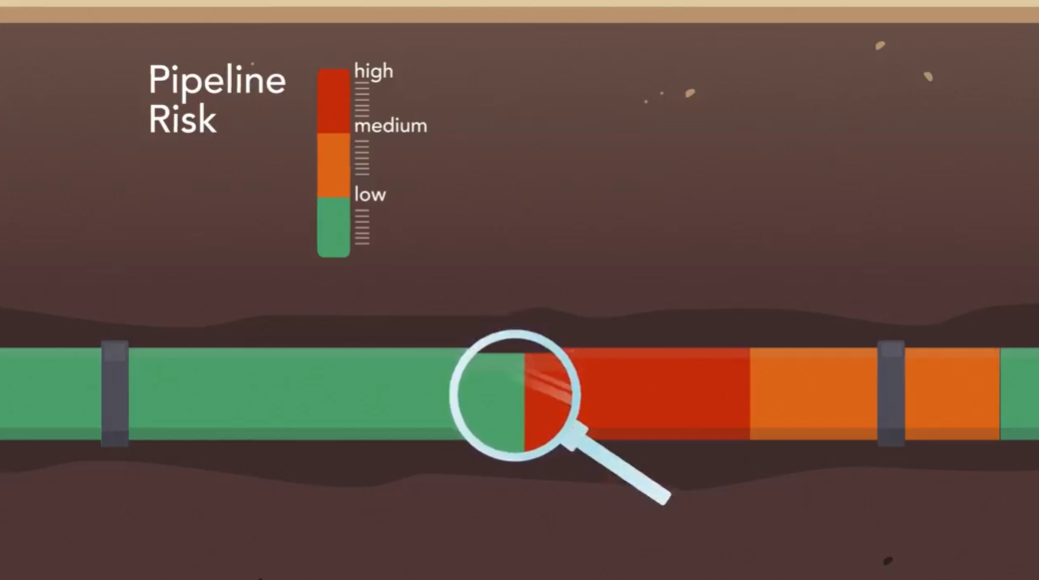
In the water industry, the underground network is often a realm of the unknown. For decades, utilities worldwide have relied on age-based models to determine when to replace critical infrastructure. The logic was simple: if a pipe is old, it must be deteriorating. However, this approach is both capital-inefficient and risky. It often leads to…
The Smart Campus Paradox Walk through any premier university campus or large school precinct today, and you will see a testament to modern engineering. 6-Star Green Star buildings, automated climate control, and cutting-edge research facilities define the “Smart Campus” of 2025. Yet, beneath these glass-and-steel structures often lies a network of water infrastructure that is…
We use cookies to ensure that you get the best website experience. By using our website you consent to the use of cookies in accordance with our privacy policy.